Why Do Robots Need Sensors

Why do robots need sensors
Sensors are central to industrial applications being used for process control, monitoring, and safety. Sensors are also central to medicine being used for diagnostics, monitoring, critical care, and public health.
What sensor will the robot need?
The two main light sensors used in robots are Photovoltaic cells and Photo resistor. Other kind of light sensors like phototransistors, phototubes are rarely used.
What are five uses for sensors on a robot?
Robotic sensors
- Force. Force sensors are used by roboticists to measure the forces their robots, such as the robotic arm assembling mobile phones that you heard about last week, are exerting on the objects they interact with.
- Touch. Want to keep. ...
- Temperature. ...
- Light. ...
- Sound. ...
- Chemical. ...
- Infrared sensors. ...
- Ultrasonic distance sensors.
How sensors affect the behavior of the robot?
These sensors give robots an awareness of their environment, including various conditions such as light, touch, navigation, location, distance, proximity, sound, temperature, and humidity.
WHAT IS sensor and its uses?
A sensor is a device that detects and responds to some type of input from the physical environment. The input can be light, heat, motion, moisture, pressure or any number of other environmental phenomena.
How are sensors used to create more intelligent robots?
A combination of various sensors allows an AI robot to determine size, identify an object and determine its distance. Radio-frequency identification (RFID) are wireless sensor devices that provide identification codes and other information. Force sensors provide the ability to pick up objects.
Where are sensors commonly used?
When travelling to work, many vehicles including cars, trains, buses etc. all use sensors to monitor oil temperature and pressure, throttle and steering systems and so many more aspects. When you are at work, the lights may turn on using a motion sensor.
How are sensors used to make things smart?
So, how do they work? Smart sensors rely on built-in microprocessors to help them perform various functions, like digital processing, code conversion of analog to digital, interfacing functions, and calculations. They also determine when data needs to be stored or deleted in accordance with the input they collect.
Why are smart sensors important?
Smart sensors do enhance the capacity to observe and report on the world around us. They perform in almost all sectors to make human life easy and much better. Adjusting lights to the tune of moods, turning on devices including water heaters, ensuring security, tracking devices, and many more are just a few to name so.
Why sensors are important in an automated industry?
Sensor technology plays a variety of essential roles in machine automation. Sensors provide information about products during manufacturing. They deliver updates about the condition of the equipment, to help guide maintenance and prevent downtime.
What are the most popular sensors used with robots?
In this post, we will briefly discuss seven common sensors used in robots.
- Light Sensor. A light sensor detects light and creates a difference in voltage.
- Sound Sensor. ...
- Proximity Sensor. ...
- Tactile Sensors. ...
- Temperature Sensor. ...
- Navigation and Positioning Sensors. ...
- Acceleration Sensor.
What is the most used sensor?
List of 22 Commonly used Sensors in IoT Device Development
- Temperature Sensor.
- Humidity Sensors. ...
- Pressure Sensors. ...
- Moisture Sensors. ...
- Proximity Sensor. ...
- Motion Detection Sensors. ...
- Accelerometer and Gyroscope Sensor. ...
- IR Sensor/ Infrared Sensor.
What things use sensors?
Optical sensors are integral parts of many common devices, including computers, copy machines (Xerox) and light fixtures that turn on automatically in the dark. And some of the common applications include alarm systems, synchros for photographic flashes and systems that can detect the presence of objects.
What are the benefits of sensor technology?
The key advantages of sensors include improved sensitivity during data capture, almost lossless transmission, and continuous, real-time analysis. Real-time feedback, and data analytics services ensure that processes are active, and are executed optimally.
How are sensors used in AI?
Sensors Used In AI Apps They are essential components, hardware if you will. A pressure sensor, for example, is a pressure sensor whether it's used in the mechanical portion of an AI design or between to pieces of tile to measure weight in a consumer scale.
How will sensors be used in the future?
You need all of your body's senses to do so. In the future, sensors will also be able to work autonomously in the same manner. A machine will then become self-learning. So, artificial intelligence with deep learning algorithms is the future.”
How do sensors work?
Put simply, a sensor converts stimuli such as heat, light, sound and motion into electrical signals. These signals are passed through an interface that converts them into a binary code and passes this on to a computer to be processed.
What sensor can detect human?
The Passive Infrared (PIR) sensor is used to detect the presence of human.
What are 3 examples of sensors?
Different Types of Sensors
- Temperature Sensor.
- Proximity Sensor.
- Accelerometer.
- IR Sensor (Infrared Sensor)
- Pressure Sensor.
- Light Sensor.
- Ultrasonic Sensor.
- Smoke, Gas and Alcohol Sensor.
How many sensors are there in the world?
There are two types of sensors: Direct Sensor: A sensor that can convert a non-electrical stimulus into an electrical signal with intermediate stages. Eg: thermocouple (temperature to voltage). Indirect Sensor: A sensor that multiple conversion steps to transform the measured signal into an electrical signal.
11 Why do robots need sensors Images
Explore IoT smart sensor and actuator solution providers Compare types

a yellow and black robot is standing on its legs

25 Best Ideas about Humanoid Robot on Pinterest Robot parts Robots

httpsblgtmcomproductjjrcr4cadywile24ghzintelligentremote

Sensors EV3 EG1003 Lab Manual Robotics Club Robots Index Super

Toyota dvoile son robot humanode amlior Toyota Robot humanode
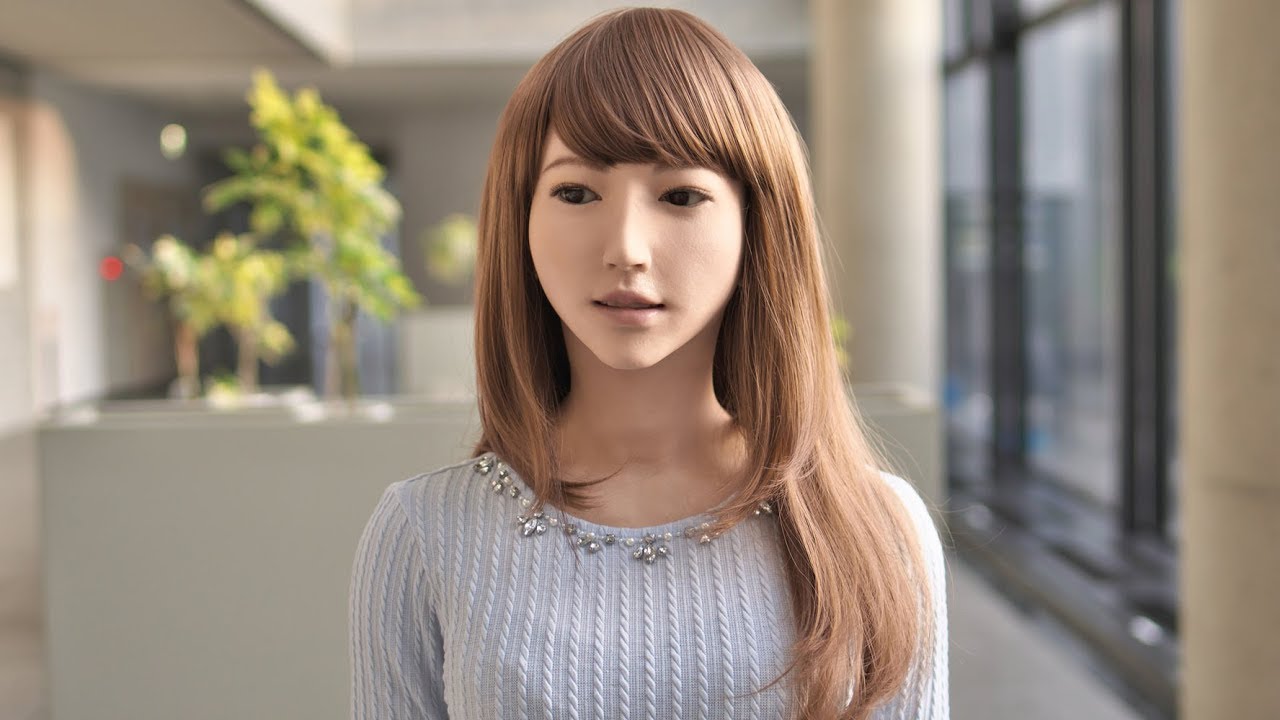
Erica el robot que actuar en una pelculaen Hollywood Hollywood

more and more robots are using human elements from robots using human

Robot Designs Build Your Own Robots

Wearable Sensors and Robots Proceedings of International Conference on

Post a Comment for "Why Do Robots Need Sensors"